
When blushing or sweating becomes more than a nuisance.
Facial blushing and excessive sweating can be normal responses to heat, emotion or exercise. But when they happen frequently, feel difficult to control or begin affecting work, relationships and confidence, they may need proper assessment.
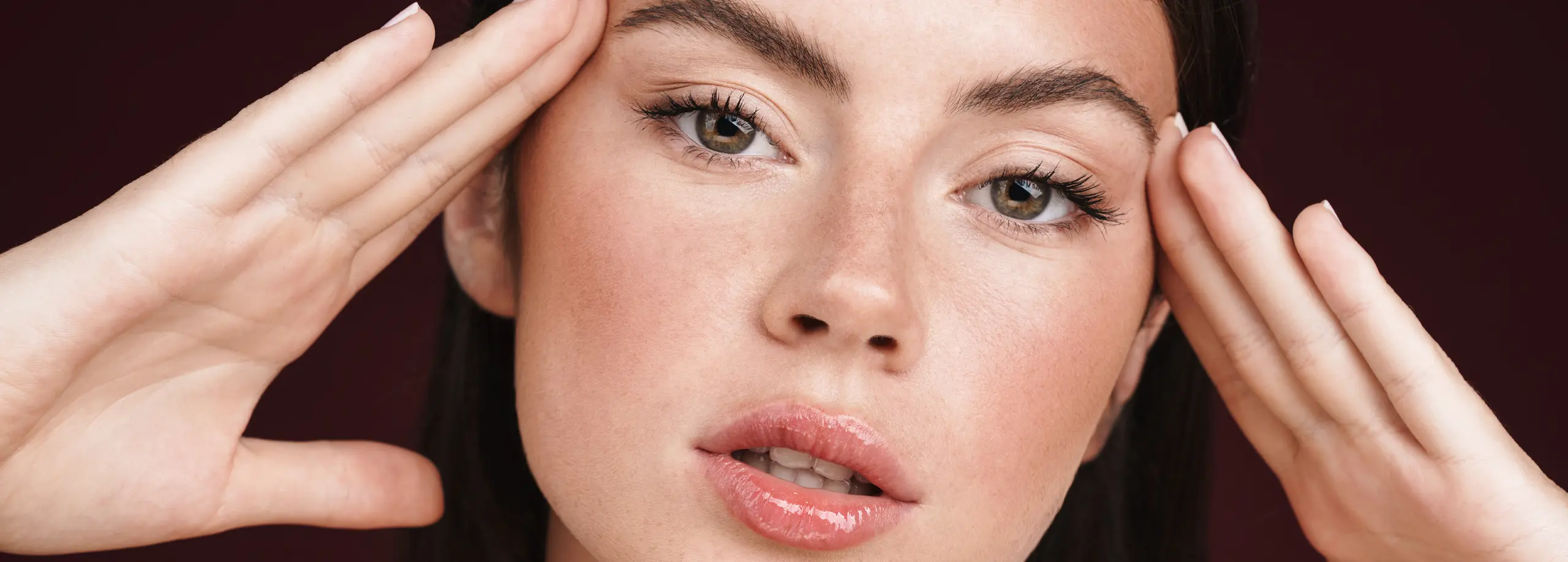
Blushing, flushing and sweating are not all the same.
Blushing is an involuntary reddening of the face that is often associated with embarrassment, anxiety, attention or other emotional triggers. It is common, but for some people it becomes intense, unpredictable and difficult to live with.
Excessive sweating - medically called hyperhidrosis - means sweating more than is needed to regulate body temperature. It can affect the hands, face and scalp, underarms, feet or several areas at once.
Because facial redness and sweating can also occur with conditions such as rosacea, menopause, thyroid disease, medication side effects or other causes, the pattern of symptoms matters. The aim of assessment is to understand what is actually happening before deciding which treatment, if any, is appropriate.
Which symptoms are you experiencing?
The location, trigger and pattern of symptoms can help distinguish facial blushing from different forms of hyperhidrosis.
Facial blushing
Facial blushing typically involves a sudden increase in facial redness, often in response to attention, embarrassment, anxiety or an emotionally charged situation.
- Sudden redness of the cheeks, face, ears or neck
- A sensation of heat or warmth in the face
- Blushing triggered by being noticed, questioned or put on the spot
- Anticipatory anxiety about blushing before social situations
- Avoiding meetings, presentations, dates or other situations because of fear of blushing

Facial and scalp sweating
Craniofacial hyperhidrosis is excessive sweating affecting the face, forehead or scalp. It can occur in warm conditions but may also happen when resting or in situations where other people are not sweating.
- Visible beads of sweat on the forehead, face or upper lip
- Scalp or hair becoming damp without heavy exercise
- Frequent wiping of the face during conversations
- Sweating in cool rooms or at rest
- Concern about photographs, work meetings or close social contact

Sweaty hands - palmar hyperhidrosis
Palmar hyperhidrosis causes excessive sweating of the palms and often starts in childhood or adolescence. Symptoms may be persistent or become worse with stress.
- Clammy, damp or dripping hands
- Wet marks on paper, keyboards or touchscreens
- Difficulty gripping tools, pens or steering wheels
- Avoiding handshakes or physical contact
- Cold, wet hands despite a normal room temperature

Underarm sweating - axillary hyperhidrosis
Axillary hyperhidrosis is sweating from the underarms that is excessive for the temperature or activity level and can cause visible wet patches and repeated clothing changes.
- Frequent wet patches on shirts or tops
- Sweating while sitting still or in cool environments
- Choosing clothes mainly to conceal sweating
- Repeated washing or changing during the day
- Embarrassment at work, socially or in close relationships
Is it blushing or persistent facial redness?
People often use the words blushing, flushing and redness interchangeably, but the pattern can point towards different causes.
Facial blushing
Blushing is usually episodic. The face becomes red quite quickly and then returns towards its normal baseline. Emotional triggers such as embarrassment, attention, anxiety or self-consciousness are common.
Flushing or persistent redness
Redness that is present much of the time, lasts for hours, is associated with visible blood vessels or spots, or occurs alongside hot flushes or other physical symptoms may have a different cause and should not automatically be assumed to be primary facial blushing.
Rosacea, menopause, an overactive thyroid, medication side effects and other medical conditions can cause facial redness or sweating. If symptoms are new, persistent or accompanied by other physical symptoms, it is sensible to speak to your GP.
How blushing and sweating can affect daily life.
The severity of a symptom is not only about how much redness or sweating is visible. Its effect on normal life is also important.
Meetings, interviews, presentations, uniforms and close contact with colleagues can become sources of anxiety.
Some people start avoiding parties, restaurants, dates, handshakes or situations where they may become the focus of attention.
The fear that other people will notice redness or sweating can become as difficult as the physical symptom itself.
Palmar sweating can affect writing, electronics, driving and handling equipment, while underarm sweating can dictate clothing choices.
What is erythrophobia?
Erythrophobia means an excessive fear of blushing. For some people, worrying about going red becomes a powerful trigger in itself: the fear of blushing increases anxiety, anxiety increases the likelihood of blushing, and the cycle becomes increasingly difficult to break.
Signs that fear of blushing may be becoming a significant part of the problem include anticipating redness before social events, repeatedly checking the face, avoiding eye contact or attention, and changing work or social behaviour to avoid situations where blushing might occur.
When symptoms deserve a proper assessment.
There is no requirement to simply put up with symptoms that are significantly interfering with daily life.
Speak to a doctor or specialist if:
- blushing or sweating is affecting everyday activities
- you avoid work, social or relationship situations because of symptoms
- self-care and pharmacy treatments have not helped
- symptoms have become persistent or progressively worse
- you are considering procedural or surgical treatment
Start with your GP if:
- symptoms are new or have changed significantly
- facial redness is present most of the time
- you have night sweats or other unexplained systemic symptoms
- you think medication may be causing the problem
- you have symptoms suggesting thyroid, hormonal or another medical condition
What happens at a consultation?
A useful consultation is not simply about deciding whether you are suitable for a procedure. It should establish the pattern of your symptoms, how much they affect you and whether another condition might need to be considered.
Once the likely diagnosis is clearer, the options can be discussed in a logical order, including self-management, non-surgical treatment and - only where appropriate - surgical treatment.

Treatment depends on the symptom and its cause.
A balanced treatment pathway starts with the least invasive appropriate option and becomes more specialist only where symptoms justify it.
Non-surgical treatment
Cognitive behavioural therapy and other approaches may help where anxiety, fear of blushing or social triggers are important parts of the problem.
Explore non-surgical blushing treatment →Topical, medical and device-based options
Depending on the area affected, treatment can include stronger antiperspirants, medication, iontophoresis and other targeted options.
Explore hyperhidrosis treatments →ETS surgery
Endoscopic Thoracic Sympathectomy may be considered for carefully selected patients with severe and debilitating primary facial blushing or hyperhidrosis after other appropriate treatments have not provided enough relief.
Understand ETS surgery →NICE states that patients considering ETS should understand that serious complications can occur, excessive sweating elsewhere on the body is common after the procedure, and some patients regret surgery. It should only be considered for severe, debilitating primary facial blushing that has not responded adequately to other treatments.

Assessment with Mr David Greenstein
Mr David Greenstein is the founder and surgeon at the Centre for Blushing & Sweating. He has more than 20 years of experience assessing patients with facial blushing and hyperhidrosis.
The emphasis is on identifying the likely cause of symptoms, reviewing previous treatment and explaining the full range of appropriate options before any decision about surgery is made.
Questions about blushing and excessive sweating.
These are some of the questions patients commonly ask when trying to work out whether their symptoms are normal, hyperhidrosis or significant facial blushing.
Blushing is usually a sudden, temporary reddening of the face associated with emotional or social triggers. Flushing can have a wider range of triggers and may last longer. Persistent redness can also be associated with conditions such as rosacea, so the pattern of symptoms is important.
Being noticed or becoming the focus of attention can activate the autonomic nervous system and trigger facial vasodilation. For people who are very conscious of blushing, the worry that it will happen can itself increase anxiety and make the response more likely.
Yes. Anxiety, embarrassment and social attention are common triggers. This does not mean the symptom is imagined - blushing is a physical autonomic response. Where anxiety and fear of blushing are important, psychological treatment such as CBT may be helpful.
Erythrophobia is an excessive fear of blushing. The fear can lead to anticipatory anxiety and avoidance of social or professional situations, sometimes becoming more disabling than the redness itself.
Hyperhidrosis means sweating excessively for the conditions. Clues include sweating that regularly interferes with daily activities, happens even when you are not hot or exercising, affects particular areas such as the palms, face or underarms, or has continued for months or years.
Yes. Facial hyperhidrosis and facial blushing can occur together, although they are distinct symptoms. A consultation looks at which symptom is dominant, what triggers each one and whether another cause needs to be excluded.
No treatment should be described as a guaranteed cure. ETS can substantially reduce facial blushing in some carefully selected patients, but it does not work for everyone and can cause significant side effects, particularly compensatory sweating. It is generally considered only after other appropriate treatments have been tried.
See your GP if symptoms are new, persistent, happen at night, are associated with other physical symptoms, may be caused by medication, or are significantly affecting daily life. A GP can assess whether an underlying medical condition needs to be investigated.
Sources used in this patient information.
Are your symptoms affecting everyday life?
Book a specialist consultation in London to discuss your symptoms and treatment options, or begin with the short blushing self-assessment if you are not yet sure whether your redness fits the pattern of facial blushing.